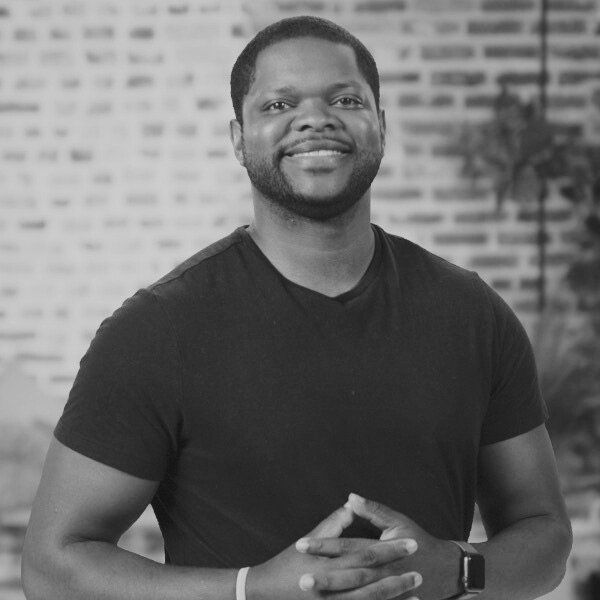
Brandon Geter

Who you would be working with

I am Brandon Geter. Humus & Shore is my practice, and at the moment I am also the interim director of strategic marketing for a private-equity-backed precision manufacturing group with five operating companies — building the segmentation, the messaging and the CRM unification across all five.

That matters more than anything else on this page. The problem this practice sells against — a portfolio where every company reports go-to-market differently and none of it compares — is one I am inside of right now, on someone else's clock, with the same constraints you have. I am not writing about it from a distance.

Before consulting I spent ten years in enterprise sales and sales leadership — as a rep, then building and running the teams. The reason that matters here: everything this practice recommends is something I have had to make work myself, with a quota attached to whether it did.

$57K → $100K

average deal size

At a Series A developer-experience platform, selling to engineering leadership. I was also the first rep there to close a net-new six-figure deal.

8 months → 2

sales cycle

Same company. A buyer-driven redesign of how deals actually progressed, which the company then adopted as its standard.

$2.8M on a $2M quota

140% attainment, 2021

Enterprise accounts at a tech talent platform. One account went from $300K to $2.1M over eighteen months.

1 rep → 5

outbound function, built

At a Series B platform: $7M+ sourced in a single quarter, the best in the company's history, and all four hires stayed more than two years.

Between those: a ten-person enterprise team at a pre-IPO monitoring company, where average monthly deal size went from $20K to $49K, and three years at a CPQ company from BDR to manager. The pattern in all of it is the same one this practice sells — find where the deal is actually stuck, then fix that, rather than adding activity on top of a broken middle.

What this is, and what it is not

Humus & Shore is me. Not a boutique with an org chart, not a bench of associates who arrive after the partner sells the work. When you engage, the person in the room is the person on this page, and the ceiling on how much work I take is a real ceiling rather than a negotiating position.

That is the trade. You do not get a team, and you do not get the twenty-person coverage a firm would put on a portfolio-wide programme. What you get is that nothing is delegated to someone more junior than the problem, and that the read you are given is one person's judgement that they will defend to your face.

Since 2023 the practice has worked across advanced manufacturing, nuclear energy, cybersecurity and B2B software — portfolio companies and growth-stage ventures, with the same instrument pointed at each.

Why there is a platform underneath it

I built Andru because I was doing the same analysis by hand for every engagement — the same translation from what a company can do to what a buyer will pay for, rebuilt from scratch each time and slightly differently each time, which is exactly the inconsistency this practice exists to remove. So it became an instrument instead of a habit.

I run my own selling on it. Every engagement is measured with the same instrument I hand to you, which means when it is wrong I find out before you do. That is the only quality guarantee on a diagnostic that is worth anything.

The quickest way to judge any of this

Run the free read on a company you know well. It takes a description and about twenty seconds, and it will decline rather than hand you something generic — which tells you more about how I work than this page does.